
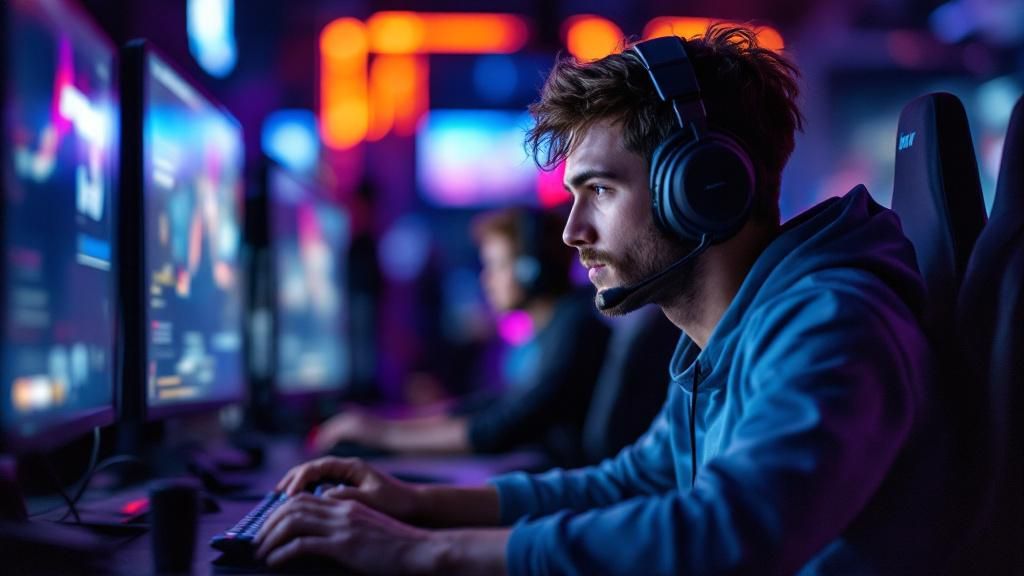
The dynamic esports industry has undergone a significant transformation, with professional teams now understanding mental health as critical to player performance and wellbeing. Gone are the days when organisations focused solely on gaming prowess; today’s leading esports franchises invest substantially in psychological support, counselling services, and wellness programmes. This article examines how top-tier teams are championing mental health initiatives, the obstacles players face, and why this shift constitutes a crucial evolution in professional gaming culture.
The Growing Importance of Mental Wellbeing in Professional Esports
The competitive esports landscape has undergone a profound shift in the past few years, with psychological wellbeing emerging as a critical component of player development and organisational performance. Professional teams now recognise that psychological resilience is just as vital as technical ability and tactical understanding. This acknowledgement stems from mounting evidence that psychological health directly influences results, reliability, and career sustainability within the competitive sphere. As competitive pressure grows and prize pools expand, competitors face unprecedented pressure, making comprehensive psychological assistance an essential investment rather than an supplementary consideration for ambitious teams.
The progression towards focusing on mental health demonstrates a more extensive development of esports as a recognised sporting discipline. Major franchises have begun implementing extensive wellbeing initiatives that manage pressure control, fatigue avoidance, and emotional resilience. These programmes acknowledge the particular cognitive pressures of competitive gaming, including extended training schedules, public scrutiny, and the relentless quest of excellence. By fostering supportive environments and providing professional mental health resources, top-tier organisations demonstrate their focus on player protection whilst concurrently boosting their performance edge through better mental clarity, decision-making, and general competitive output.
Thorough Mental Health Programmes in Top Teams
Leading esports bodies have implemented comprehensive psychological support structures that extend far beyond basic wellness initiatives. These full-scale initiatives integrate expert therapeutic support, pressure management instruction, and peer support systems tailored specifically to the particular demands of professional esports. Teams acknowledge that long-term success requires psychological resilience in conjunction with gaming proficiency, prompting investment in dedicated mental health infrastructure that compares with conventional sporting bodies.
Professional Mental Health Counselling Services
Leading esports teams now recruit accredited psychological specialists and mental health professionals who concentrate on sports performance and sports psychology. These specialists work directly with players to tackle performance anxiety, mental fatigue, burnout, and the mental impact of intense competitive environments. Regular one-on-one sessions provide secure assistance, helping players to develop coping strategies and preserve psychological balance throughout rigorous competitive campaigns.
Furthermore, numerous organisations provide access to specialised therapy modalities such as cognitive-behavioural therapy and mindfulness interventions. These evidence-based approaches help players manage performance anxiety, enhance focus, and build emotional control skills. By normalising mental health conversations across team settings, clubs have successfully decreased stigma and encouraged players to proactively pursue support rather than suffering in silence.
Stress Management and Resilience Training
Comprehensive stress management programmes equip players with useful techniques for managing the intense pressures inherent in elite esports. Practice modules include breathing techniques, systematic muscle relaxation, and mental reframing approaches intended to reduce competitive anxiety. These interventions enable players to stay composed during pressure-filled matches and recover effectively between competitions, ultimately improving consistency and longevity.
Resilience training constitutes another foundation of contemporary mental health support, devoted to developing mental fortitude and adaptability. Coaches guide players to view challenges as developmental moments, strengthen self-belief through organised target-setting, and cultivate mental toughness. By weaving these psychological conditioning methods into regular team routines, organisations build cultures where psychological growth mirrors technical development, creating well-rounded competitors able to thriving under pressure.
Influence on Playing Performance and Team Success
The incorporation of comprehensive mental health support has yielded demonstrable improvements in athlete performance across elite esports clubs. Teams utilising psychological services report improved concentration, better tactical choices during intense competitive play, and improved reliability in gameplay. Players gain advantages through stress management techniques and mood management approaches, allowing them to maintain optimal mental performance throughout demanding tournament schedules. This psychological foundation produces performance benefits, as emotionally strong competitors perform more dependably when pressure peaks.
Organisational success increasingly correlates with investment in player wellbeing programmes. Franchises offering robust mental health resources experience improved player retention, lower absence rates from burnout, and improved team unity. The psychological support infrastructure establishes safer spaces where players communicate openly about obstacles, fostering trust between management and athletes. This openness allows quicker response when problems emerge, stopping small problems from developing into major issues that could compromise both personal development and collective results during critical competitive periods.
Looking ahead, mental health support constitutes a fundamental essential requirement rather than a luxury amenity in professional esports. Teams emphasising psychological wellbeing draw in higher-calibre talent, maintain healthier rosters, and achieve long-term competitive performance. As the industry develops, organisations recognising this connection will establish themselves as market leaders, setting standards that redefine professional gaming excellence beyond mere technical skill to encompass holistic athlete development and sustained career longevity.
